The calling to the ‘Premium’ world
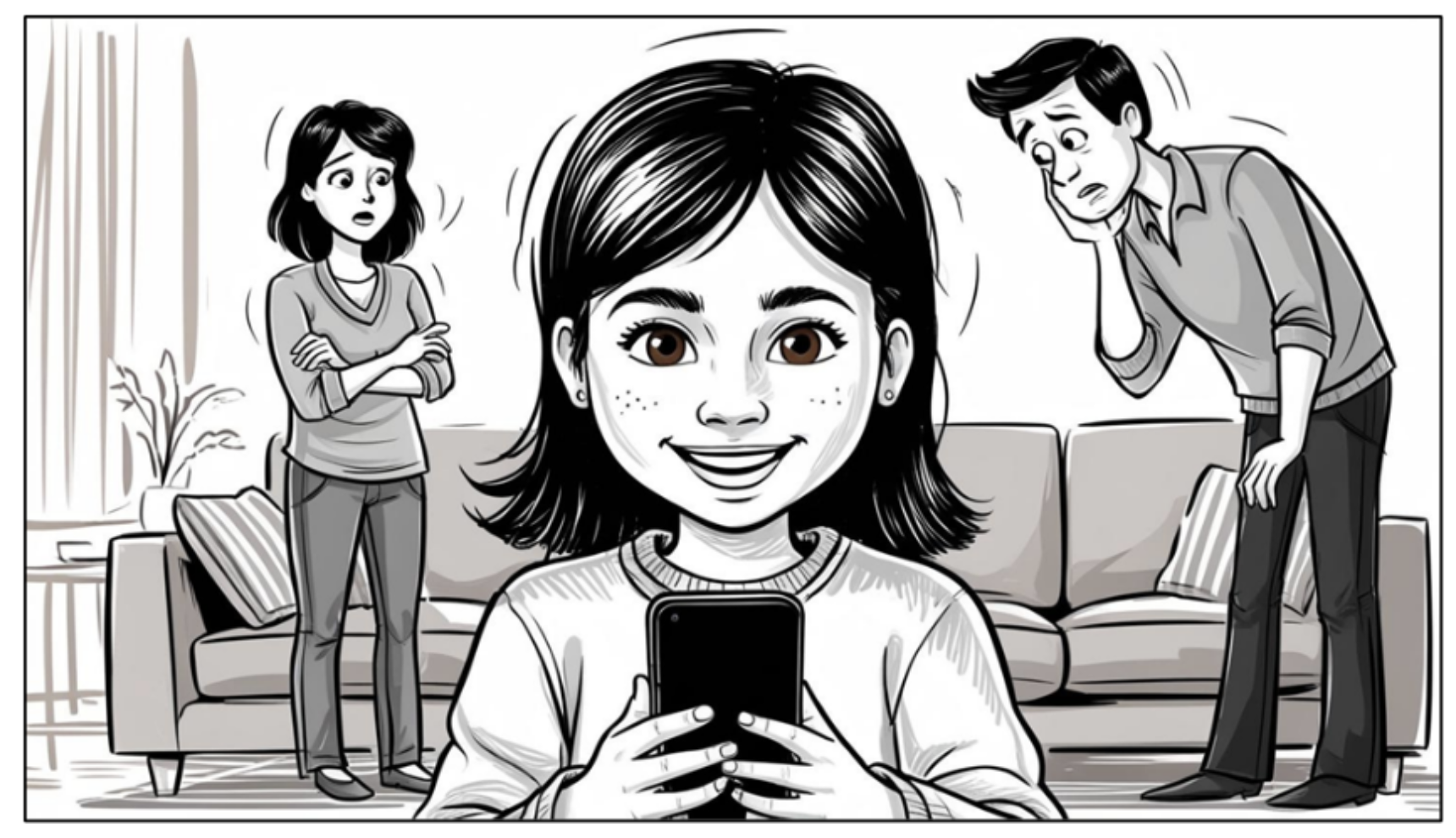
While the rest of the world grapples with colossal issues like climate change, pollution, and ongoing economic and political upheavals, young parents face a crisis of their own. To be honest, this crisis feels graver than all the others. Can you take a guess?
No, it’s not a food shortage, a recession, or the possibility of an alien invasion. It is also not a global disaster.
It is the struggle of getting their kids off the screen! Or at least, convincing them that life exists beyond the black mirror.
Seriously, it’s like trying to separate jelly from peanut butter. Imagine this.
And also, let’s be real, trying to take away the phone or turning off the laptop screen while they are in the middle of something is as risky as poking a sleeping bear. It can take any turn, and every time the consequence is different from the other instances. Desperate promises from both sides are laid on the table, “just five more minutes”, countered by your “you gave your word that you would use the screen for more than an hour during the afternoon”.
As a hopeful (and slightly exhausted) member of the Parent vs. Screens club, I’ve noticed something interesting while searching for a solution to this paradox – kids are naturally connected to music. Also, they are born dancers! Agree? Put on a beat, and you will see your tiny human bursting into dance moves like they are headlining a concert.
At this moment, I thought I had cracked the code – play some fun music on YouTube and get the little one moving, and reduce that screen dependency as much as I could. Little did I realize that the ads on YouTube are an all-time distraction. Moreover, the more significant point is that YouTube, by itself, is a huge screen time consumer. Upon reflection, I realized that the music videos on the platform require visual engagement, which defeats their purpose. Well, I had to set aside another option and hunt for something more effective. Told you, right? Just when you think you know how to navigate through it.
My objective was clear: to swap some of that screen time for a bit of listening and dancing. I started browsing through some cool music apps. In a sea of options, I finally narrowed down my choice to YouTube Music and Spotify. I chose YouTube Music since it was pre-installed on my Android phone, and I was inclined towards Spotify because, as we all know, it is a global hit. However, from Day 1, both apps were trying to convince me to upgrade to their premium versions.
First things first, I am not one to splurge on premium services unless necessary. But here, something interesting caught my attention. It dawned on me that music streaming services, when compared to video streaming, are a different ballgame altogether. Let me break it down for you.
YouTube boasts a massive user base of 2.7 billion active users, with only around 125 million of them being paid subscribers. This implies that 4.63% of their active users have converted to the paid version. On the other hand, Spotify has 574 million users worldwide, and a significant portion of this user base, that is, 226 million users, are paid subscribers. Their paid customers constitute more than 40% of their total users.
What’s fascinating to note here is the mind-blowing difference between the conversion rates of these two amazing platforms. Even though the difference could be attributed to multiple factors, I think the following two are the primary drivers:
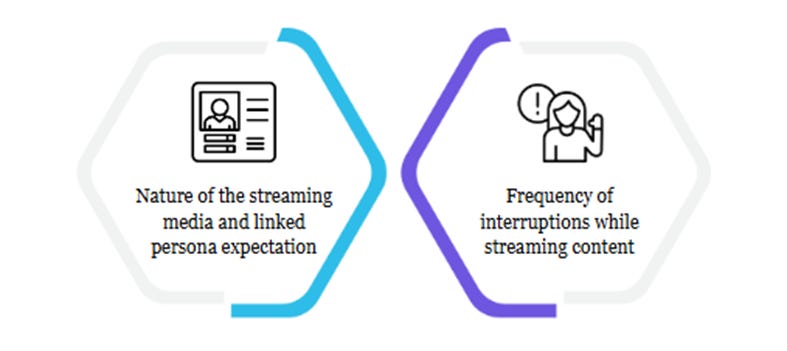
What does that mean?
Music is all about the listening experience. It doesn’t demand your undivided attention like video streaming does. You don’t have to keep your eyes glued to the screen; you can skip a few minutes or seconds, press “Next” now and then, or worry about missing the significance of the piece as you skip the visual context. With music apps, you just have to hit play and let it do its thing – the manual intervention is way less.
Also, it is worth mentioning that the average length of a music track is typically around 3.5 minutes, which is much shorter than the length of a video stream (8 – 12 minutes). Resultantly, audio platforms tend to have a higher frequency of ads to monetize when you put them against video platforms. In some cases, it can be frustrating for active users, which may explain the significant gap between the conversion rates of the two platforms.
Let me now break the ice. Although I knew Spotify was the popular choice, I ended up subscribing to YouTube Music. Thanks to subscription bundling, I could also stream videos on YouTube, ad-free. If you buy a YouTube Premium subscription, you get YouTube Music Premium for free. Yes, it is FREEE!